Sanghi Puram Marine Loading
Automating Marine Bulk Loading at Sanghi Puram
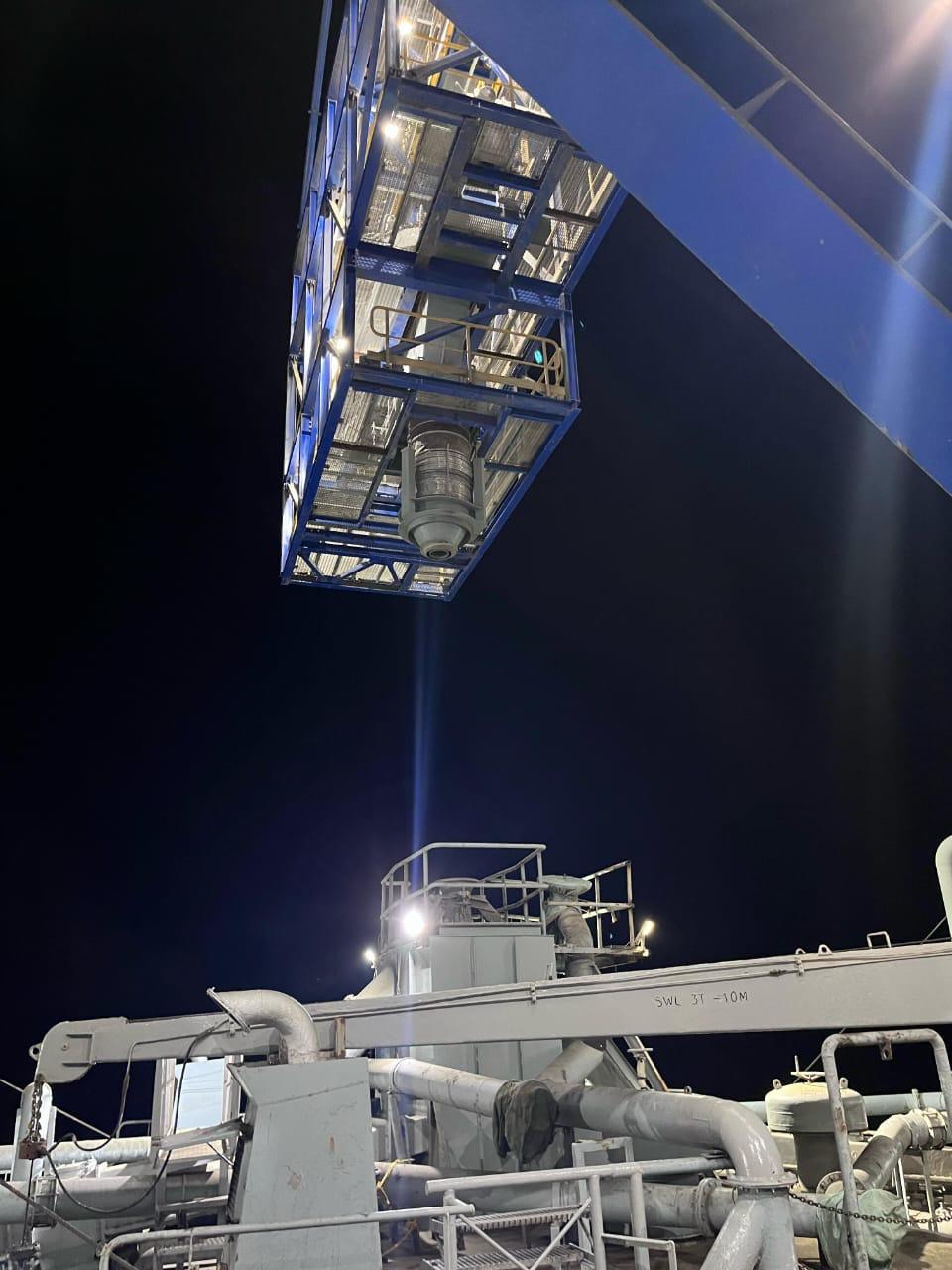
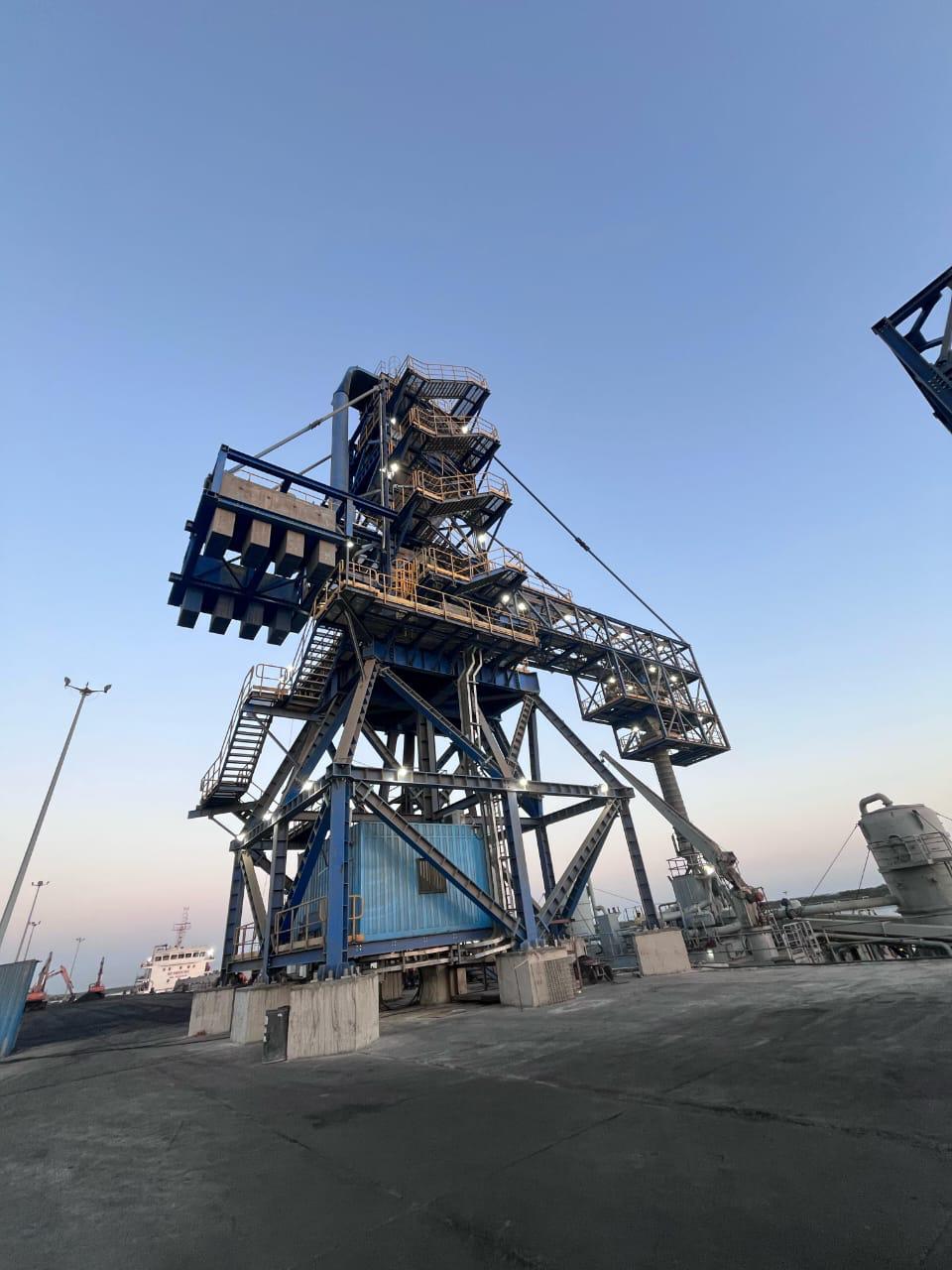
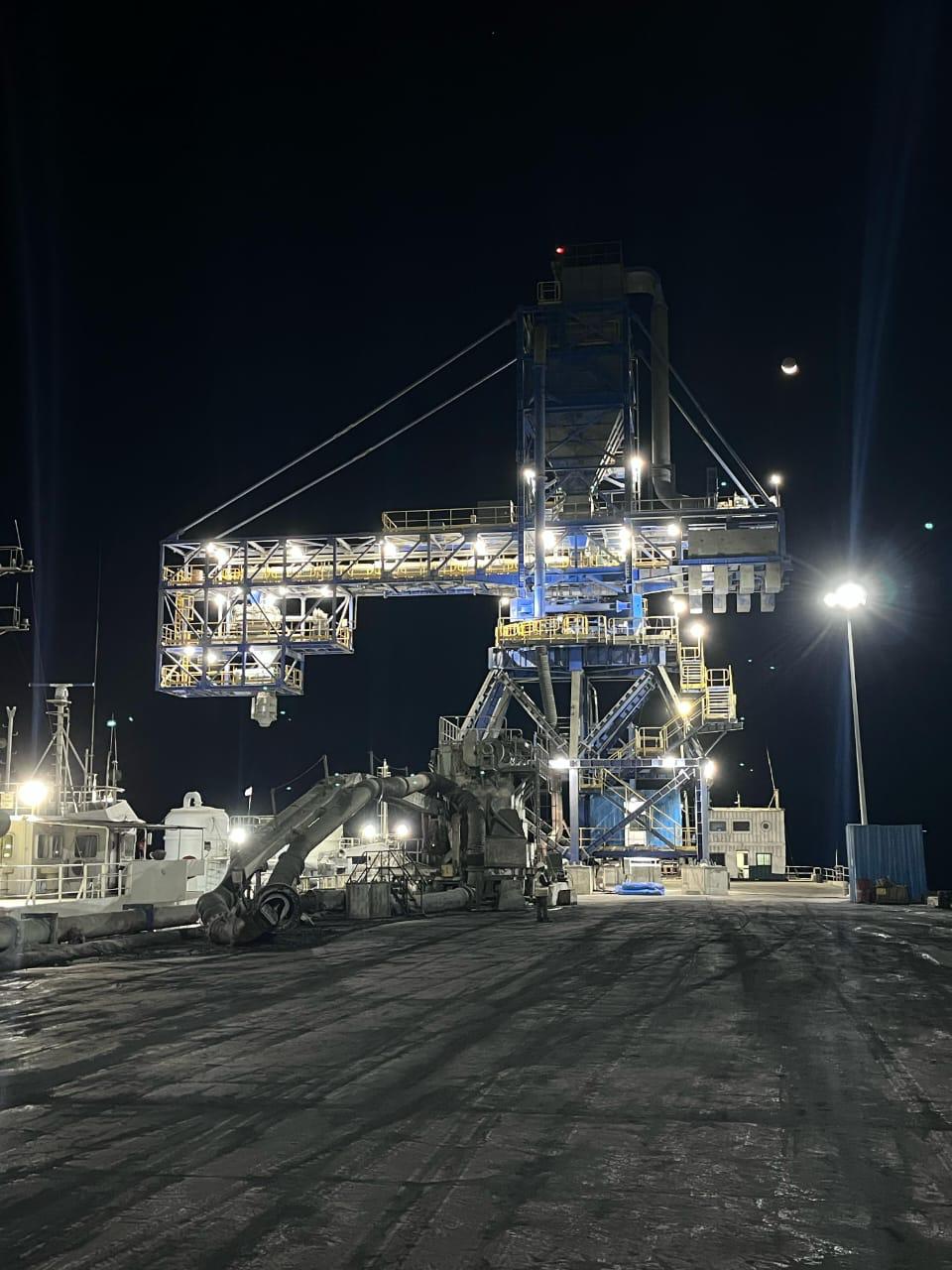
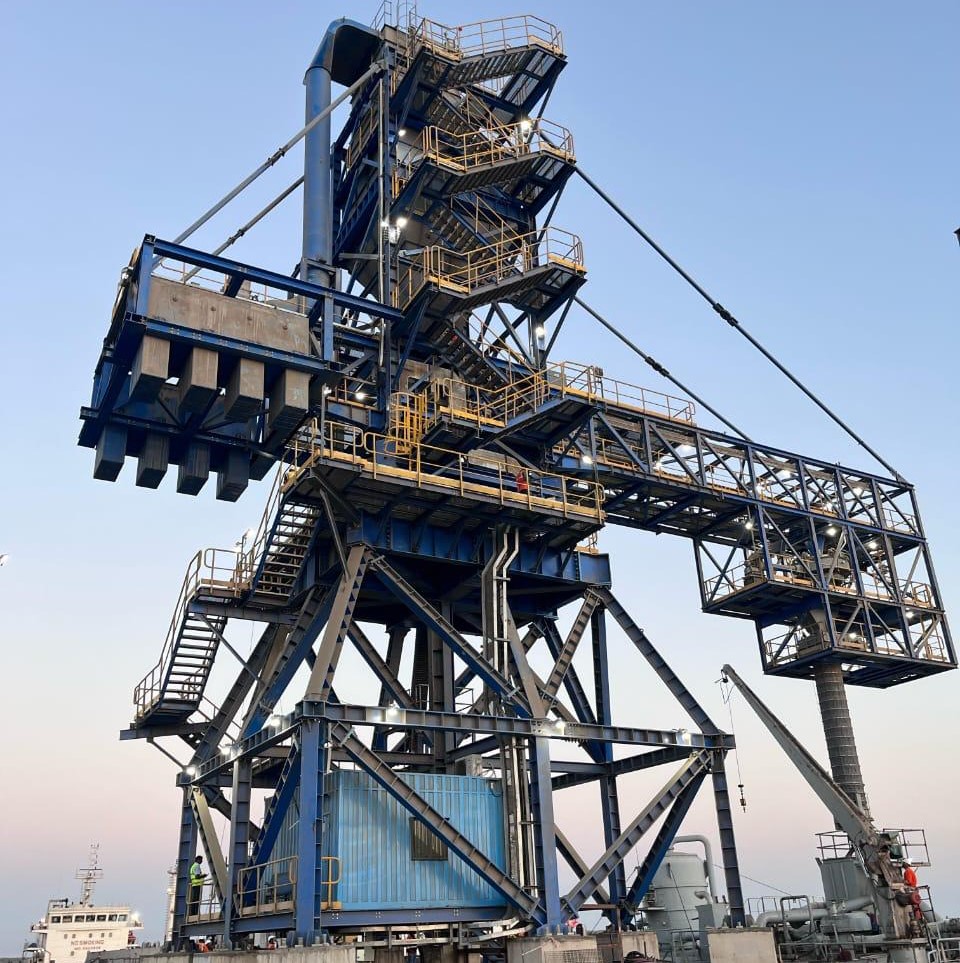
A Siemens SIMATIC PLC/SCADA ship loading automation system for Adani Cement (Sanghi Cement), built to move up to 5 million tonnes a year of clinker, cement, and fly ash through the captive jetty and conveyor corridor.
Results
- 30% reduction in vessel loading time
- High-precision loading, minimal spillage
- Direct integration with central plant control
- Automated emission control & dust suppression
- Improved uptime via redundant power & comms
Background
Adani Cement, part of the Adani Group, has been expanding its logistics infrastructure to increase cargo movement through marine routes — planning to handle up to 5 million tonnes per annum of clinker, cement, and fly ash through its captive jetty and conveyor corridor. Prior to automation, loading operations were partially manual, resulting in efficiency limitations, material loss, and higher turnaround times. The modernization aimed to support rapid vessel loading, continuous monitoring, and integration with the cement plant's central control system for real-time data acquisition.
System Description
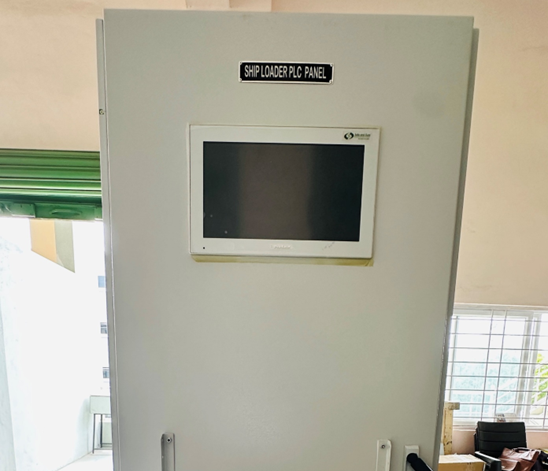
The system was built on Siemens SIMATIC PLCs and SCADA, communicating seamlessly with conveyors, weigh feeders, dust suppression systems, motor control centres, and field sensors. The SCADA provided real-time visualization and centralized control of the complete marine loading process — flow rates, weighed discharge values, load target status, and environmental readings were all monitored and logged continuously. The automation network used a redundant Ethernet architecture for fail-safe connectivity between field devices, control panels, and the command station, with the entire ship loading cycle supervised remotely from the central control room.
Data Acquisition
The Data Acquisition System (DAS) monitored, recorded, and controlled in real time: conveyor motor speed and load current; material flow rate and totalized loading weight; position feedback of telescopic chutes and boom conveyors; status of dust suppression spray nozzles and filtration systems; ambient temperature, humidity, and particulate emission data; inlet/outlet belt scale parameters; motor health diagnostics (voltage, current, power factor); and system alarms, safety interlocks, and emergency stop status — all time-stamped for audit and maintenance tracking, with daily, monthly, and yearly trend reports for throughput optimization.