iMCC (Intelligent MCC): Real-Time Motor Health, Fewer Trips & Faster Maintenance

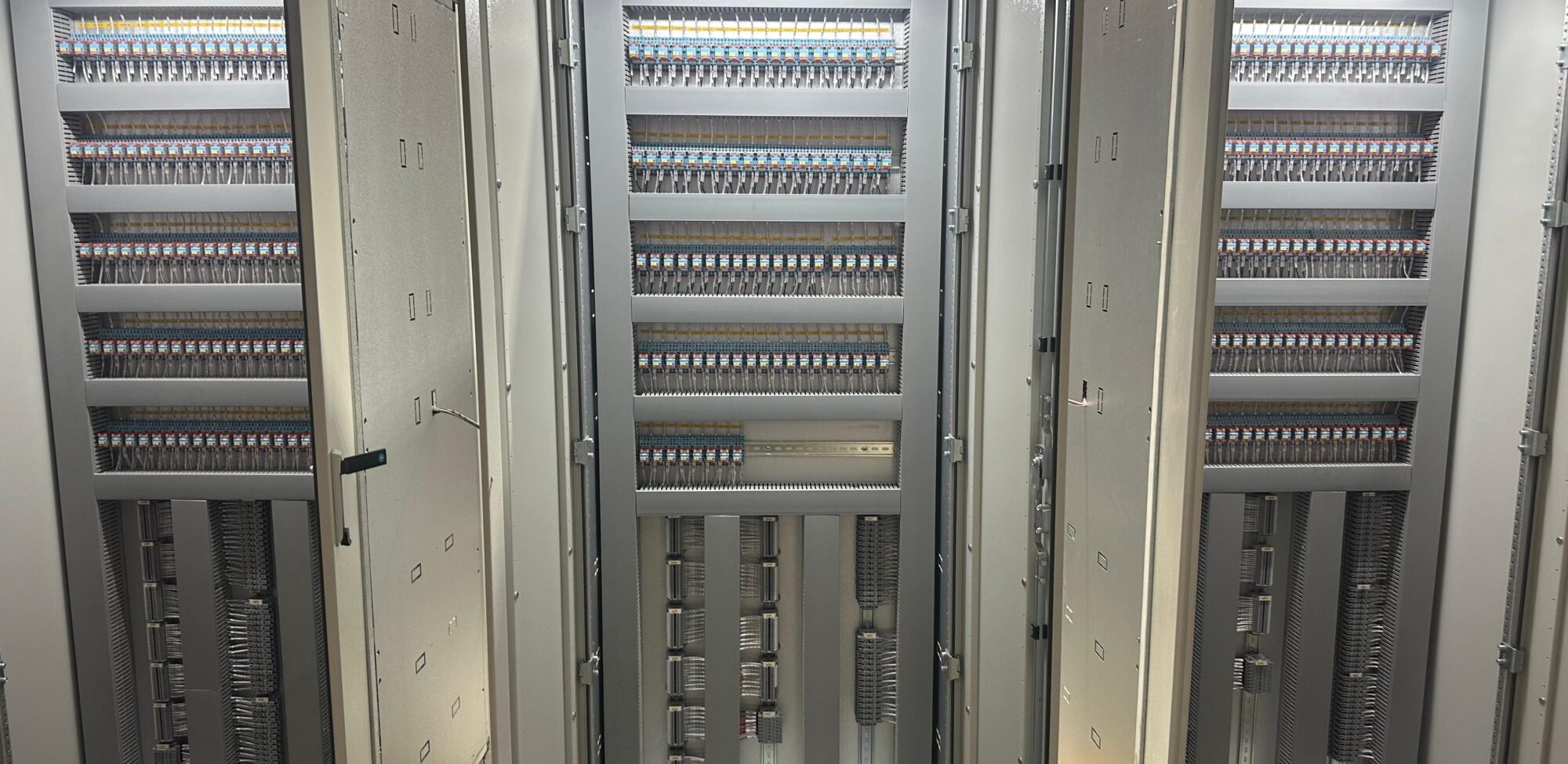
An iMCC (Intelligent Motor Control Center) merges the reliability of MCCs with real-time data, diagnostics and networking. You get feeder-level visibility (currents, energy, trips), faster fault isolation, and predictive alerts—which translates into higher uptime and easier audits. Many plants upgrade critical sections first, then expand across utilities.
What Makes an MCC “Intelligent”?
- Smart starters/drives: Overload relays with comms, VFDs with built-in diagnostics
- Feeder metering: kW, kWh, PF, THD, voltage/current unbalance
- Networking: Modbus/Profibus/Profinet/EtherNet/IP back to SCADA/DCS
- Diagnostics & events: Trips, overload warnings, thermal alarms, phase loss
- Dashboards: Feeder status, energy reports, alarm logs, maintenance counters
Primary keywords: iMCC, Intelligent MCC, networked MCC, MCC SCADA integration, motor health monitoring.
Why Plants Move to iMCC (Benefits That Matter)
- Faster fault localization: Know which feeder tripped and why—cut MTTR dramatically.
- Predictive maintenance: Temperature/vibration/frequency trends warn you early.
- Energy visibility: Identify inefficient lines, harmonics, and poor PF contributors.
- Safer operations: Clear interlocks, alarm priorities, event time-stamps, audit trails.
- Scalability: Add feeders, drives, and instruments without redesigning the backbone.
Typical iMCC Architecture (Plain English)
- Feeder layer — Smart overloads/relays, VFDs, metering modules
- Network layer — Fieldbus (Modbus RTU/Profibus) → gateway → plant Ethernet (Profinet/EtherNet/IP/Modbus TCP)
- Control layer — PLC/DCS collects data, runs logic/interlocks
- HMI/SCADA — Dashboards, trends, reports, alarm routing (email/SMS if needed)
- Historian/BI (optional) — Long-term analysis, OEE/energy/KPI reports
Tip: Keep a common tag naming and alarm philosophy so data is consistent across lines and utilities.
Sensors & Signals to Consider
- Electrical: I, V, kW, kWh, PF, THD, imbalance, overload %
- Thermal: Door-mounted temp sensors, IR windows; busbar/cable hotspots
- Mechanical: Vibration (critical motors), run hours, start counts
- Process ties: Flow/pressure/level permissives to reduce nuisance trips
Retrofit Paths (Legacy MCC → iMCC)
- Step 1: Add feeder metering + smart overloads on problematic lines
- Step 2: Introduce gateways to bring data into PLC/SCADA
- Step 3: Upgrade critical feeders to VFDs with comms and trend logging
- Step 4: Standardize alarm priorities, naming, and reports plant-wide
- Step 5: Expand to remaining sections during planned shutdowns
Hybrid tip: Keep budget in check by making critical feeders drawout + intelligent, and utilities fixed with basic metering.
Cybersecurity & Reliability (Don’t Skip)
- Segmented OT networks (VLANs), role-based access, and secure remote support
- Regular backups of drive/relay parameters and PLC programs
- Surge protection, proper earthing/EMC practices, and panel ventilation
Example Outcomes (What teams usually see)
- MTTR down: quicker root-cause (exact feeder & alarm code)
- Fewer nuisance trips: better interlocks + early warnings
- Energy insights: identify high-loss feeders or mis-tuned VFDs
- Cleaner audits: timestamped events, maintenance logs, and SOP checklists
(Results vary by duty cycle and discipline—start with a pilot, then scale.)
RFQ Checklist (Paste into your tender)
Electrical & Ratings
- Bus rating & fault level (kA/1s), form of separation (3b/4b), IP rating, ambient/derating
Feeder Details
- Feeder list with kW/FLA; starter type (DOL/Star-Delta/Soft-Starter/VFD)
- Smart overload/relay type; metering points (feeder vs section)
Networking
- Protocols (Modbus/Profibus/Profinet/EtherNet/IP), gateways, addressing plan
- SCADA/DCS integration scope, historian/reporting requirements
Diagnostics & Alarms
- Event logs (trip, warning, maintenance due), alarm priorities & routing
- Condition monitoring inputs (temp/vibration), thresholds, counters
HMI/SCADA
- Dashboards, trends, energy reports, user roles, audit trails
- Data retention period, export formats (CSV/SQL/API)
Build & Safety
- Interlocks, door switches, IR windows, mimic/labels, E-stop locations
- FAT/SAT scope, parameter backups, as-built drawings, O&M manuals
Lifecycle
- Spares (relays, buckets, drives), training, AMC/SLA, remote assistance