PLC vs DCS: What’s the Difference and Which One Should You Choose?

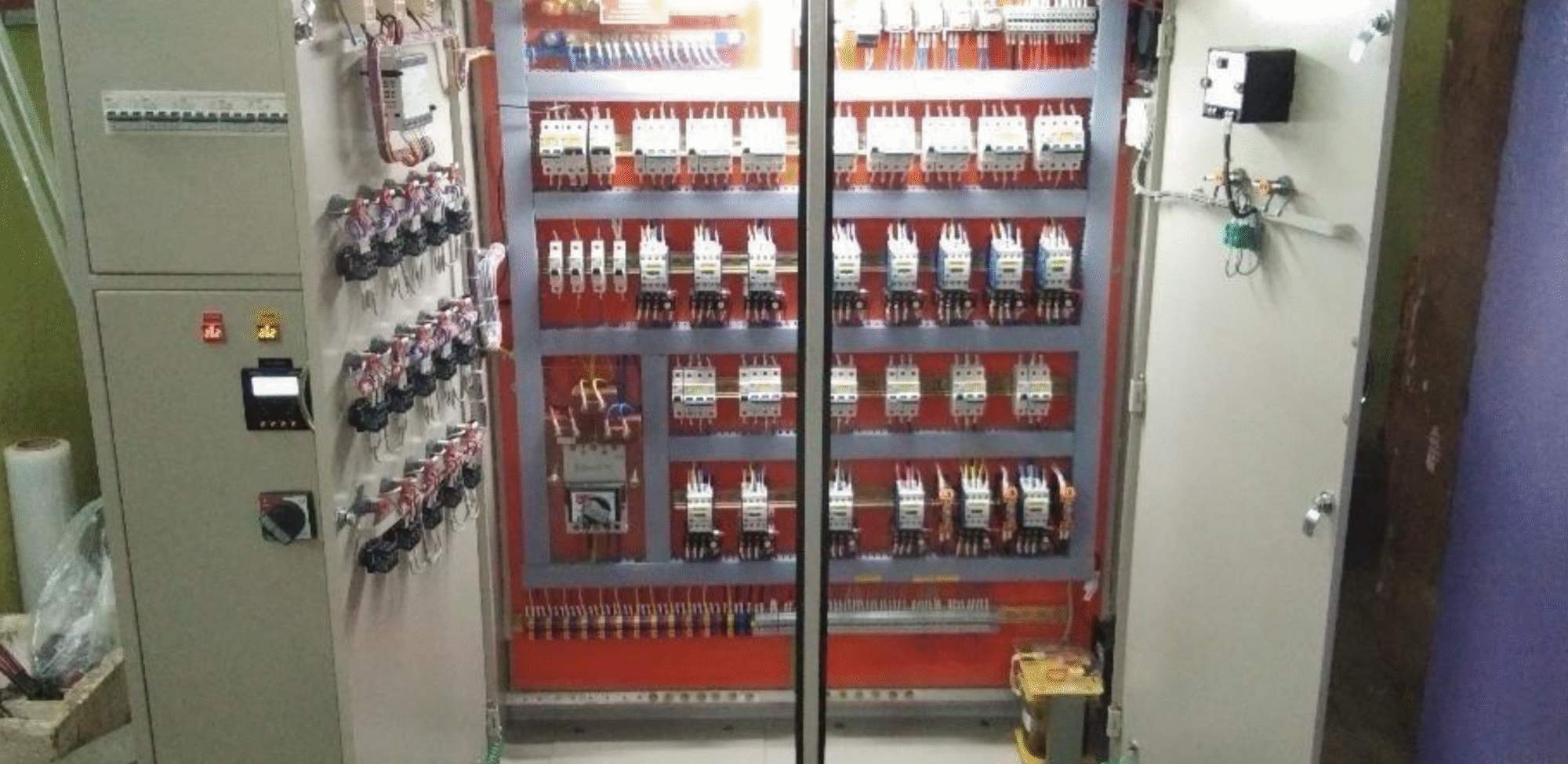
PLCs excel at discrete and skid/batch equipment with fast logic and motion. DCS shines in continuous or large batch processes that need loop density, coordination, and operator consoles. Many modern plants deploy a hybrid—PLCs for machines, DCS for process areas—unified under SCADA.
PLC vs DCS — Plain-English Differences
| Topic | PLC (Programmable Logic Controller) | DCS (Distributed Control System) |
|---|---|---|
| Best for | Discrete control, machines, skids, small to mid batch | Continuous processes, large batch areas, utilities |
| Control style | Scan-based logic, fast I/O, motion friendly | Controller per area/unit with built-in PID and sequence coordination |
| Loop density | Low–medium | Medium–high (hundreds/thousands of analog loops) |
| HMI/SCADA | External (SCADA/BMS) | Native operator consoles + historian/alarming |
| Redundancy | Optional (CPU/PSU/network) | Commonly built-in and seamless |
| Engineering | Ladder/ST/FB; modular | Central database, global templates, S88 batch concepts |
| Lifecycle | Lower CapEx, flexible | Higher CapEx, strong operations ergonomics |
Quick rule: machines = PLC, process areas = DCS, mixed plants = hybrid.
When a PLC Is the Better Choice
- Packaging lines, bottling, material handling, OEM skids
- Fast digital logic / motion control
- Limited analog loop count (<100–200)
- You need lower CapEx and fast changeovers
Add SCADA for alarms, trends, reports, and multi-PLC dashboards.
When a DCS Is the Better Choice
- Distillation, evaporation, kiln/furnace, reactors, utilities
- High loop density with coordinated sequences
- Operators need console-grade alarm management and procedures
- Built-in redundancy and historian matter for production/QA
Batch plants (S88) also benefit from DCS for recipe/procedure management.
The Hybrid Architecture (Most Common Now)
- PLCs on machines/skids (OEM supplied), DCS for process areas/utilities
- Unified SCADA layer for plantwide view, reports, and MES/ERP hooks
- Standardized naming, templates, and alarm philosophy across both
Cost & Scale Reality Check
- PLC + SCADA is typically lower CapEx for small/mid systems.
- DCS pays off when loop count, coordination, and operator workload are high.
- Factor engineering hours, change requests, training, and spares—not just controller prices.
Cybersecurity & Compliance (Don’t Skip)
- Network segmentation, user roles, secure remote access, backups
- Align to IEC 62443 good practices; maintain patch and antivirus strategy
- Audit trails for regulated industries (pharma/food/water)
Migration Paths
- Legacy PLC → New PLC: staged I/O replacement with protocol gateways
- Legacy DCS → New DCS: unit-by-unit cutover; import tag databases; keep graphics philosophy consistent
- PLC → DCS (or hybrid): start with utilities/critical units on DCS; keep machines on PLC with SCADA integration
Mini Use-Cases (copy these into project pages)
- Water Treatment: PLCs for intake/filters; plant SCADA for trends and reporting.
- Pharma Batch: DCS with S88 recipes; PLCs on packaging.
- Cement: DCS on kiln/grinding/utility; PLCs for bagging and conveyors.
- FMCG: PLCs on lines; SCADA for OEE, alarms, and energy.
RFQ Checklist (paste into your tender)
Process & Scale
- I/O count (DI/DO/AI/AO), loop density, scan time needs
- Units/areas, interlocks, sequences, batch/recipe requirements (S88?)
- Uptime target, redundancy (CPU/PSU/network/servers)
Architecture
- PLC, DCS, or hybrid; controller locations; network topology
- SCADA/Historian needs, reporting (batch, alarms, OEE, energy)
- Protocols: Modbus/Profibus/Profinet/EtherNet/IP/BACnet; gateways if needed
Engineering & Standards
- Tag naming, templates, alarm philosophy, security roles
- Documentation: SLD/PNID/IO list, cause-&-effect, FAT/SAT plans
- Compliance: IEC 61131-3 (PLC languages), S88 for batch, IEC 62443 security
Hardware
- Panel IP rating, ambient derating, EMI/earthing, UPS/PSU redundancy
- Field enclosures, marshalling, cable specs, instrument list
Lifecycle
- Spares, training, backup/restore, remote support/AMC
- Change management procedure and version control
FAQs
Q1: Can I run everything on PLCs with SCADA and skip DCS?
Yes—many plants do. But for large, loop-heavy continuous processes, DCS offers better operator ergonomics and coordination.
Q2: Can a DCS handle machines?
It can, but PLCs are usually better for discrete/motion tasks. Use hybrid.
Q3: What about iMCC integration?
Both PLC and DCS integrate easily with iMCC (motor health, alarms, kWh). Choose standard protocols.
Q4: How do I decide quickly?
If >300–500 analog loops with continuous control and strict operations ergonomics → DCS. Otherwise start with PLC + SCADA, consider hybrid.